How to Plan a Trip: Step-by-Step Guide for Stress-Free and Memorable Travel
1/26/20264 min read
Learning how to plan a trip properly can be the difference between a stressful vacation and an unforgettable experience. Travel planning may seem overwhelming at first, but when broken into simple, logical steps, it becomes an exciting part of the journey itself. The key is balance — enough structure to avoid chaos, but enough flexibility to leave room for the unexpected moments that often become the best memories.
A well-planned trip saves money, reduces anxiety, maximizes time, and allows you to enjoy your destination instead of constantly solving problems. Whether you’re planning a weekend getaway or an international adventure, this step-by-step guide shows exactly how to plan a trip in a way that fits your style, budget, and goals.
Step 1: Define Your Travel Style and Budget
The first and most important step in understanding how to plan a trip is knowing what kind of traveler you are. Many people skip this step and end up designing trips that don’t actually suit their personality, energy level, or interests.
Ask yourself what kind of experiences matter most to you. Some travelers prioritize food and culture, while others seek nature, nightlife, relaxation, or adventure. Your answers shape every decision that follows, from where you stay to how you spend your days.
At the same time, set a clear and realistic budget. A budget isn’t restrictive — it’s empowering. It tells you what is possible and prevents financial stress later.
Include these major categories:
Flights or long-distance transportation
Accommodation
Daily food costs
Activities and attraction tickets
Local transportation
Travel insurance
Emergency cushion
When your budget matches your travel style, you avoid disappointment and overspending.
Step 2: Choose Your Destination and Trip Length Carefully
Now that you know your style and budget, it’s time to decide where to go and how long to stay. This step may sound simple, but it requires realism. A common mistake in learning how to plan a trip is trying to do too much in too little time.
Consider:
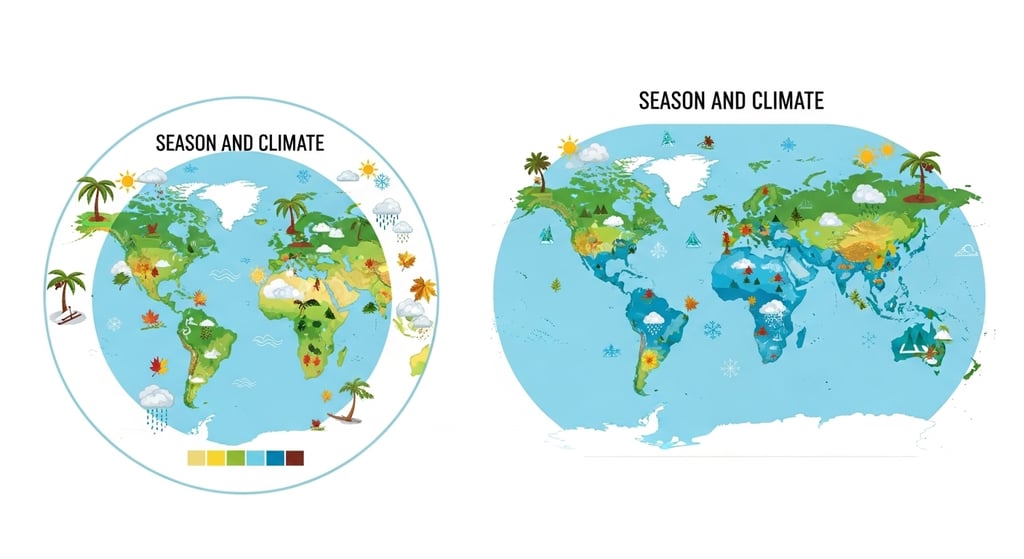
Season and climate
Travel time versus vacation days
Entry requirements or visas
Safety and health conditions
Your energy level
For example, a two-week cultural tour of Japan requires different pacing than a three-day city break in Chicago. Your trip should feel enriching, not rushed.
Step 3: Research With Purpose, Not Overload
Research is where inspiration builds, but too much unstructured research leads to confusion. Instead of trying to read everything, focus on gathering useful and diverse sources of information.
Good research sources include:
Travel blogs for personal experience
Guidebooks for history and context
Online forums for local advice
Maps for understanding distances
Videos to visualize locations
As you research, write things down. This transforms scattered ideas into usable plans.
Step 4: Create a Master List of Possibilities
One of the most practical parts of learning how to plan a trip is organizing information into a single master list. This list is not your schedule — it’s your idea bank.
Include:
Attractions and landmarks
Restaurants and food markets
Neighborhoods to explore
Nature spots or viewpoints
Day trips
Using a spreadsheet or notes app helps you track:
Location
Opening hours
Ticket needs
Personal interest level
This prevents you from forgetting great ideas later.
Step 5: Build a Flexible, Location-Based Itinerary
The biggest mistake travelers make is overplanning. The goal is structure without rigidity.
Instead of planning hour-by-hour, organize days by geographic area. This minimizes commuting time and energy drain.
A balanced daily plan might include:
One major attraction
One secondary activity
Free exploration time
A food or cultural experience
Leaving gaps allows spontaneous discoveries — the moments that often define great travel.
Step 6: Book Major Transportation and Accommodation Early
Certain parts of travel should be secured in advance to reduce stress. These are your trip anchors.
Book early:
Flights or trains
Main accommodation
Popular tours that sell out
Leave flexible:
Restaurants
Minor activities
Casual exploring
This gives both stability and freedom.
Step 7: Prepare Logistics and Documents
Nothing ruins a trip faster than avoidable logistical problems. Good planning includes preparation before departure.
Check:
Passport validity
Visa requirements
Travel insurance
Airport transfers
Currency access
Handling these details early gives you peace of mind.
Step 8: Pack Strategically Based on Your Plan
Packing should reflect your itinerary, climate, and activities. Overpacking adds stress, while underpacking creates inconvenience.
Focus on:
Versatile clothing
Comfortable shoes
Weather-appropriate layers
Essential documents
Packing smart is part of planning smart.
Step 9: Stay Flexible During the Trip
Even the best plan needs adjustment. Weather changes, places close, and new opportunities appear.
Flexibility allows you to adapt without frustration. Planning provides structure — not control over everything.
Why This Step-by-Step Approach Works
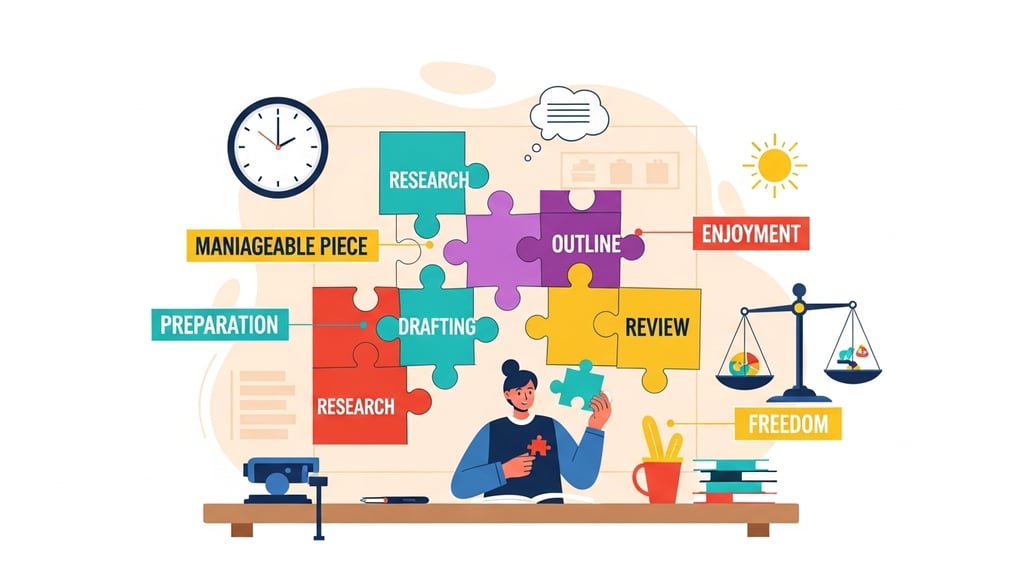
This method works because it:
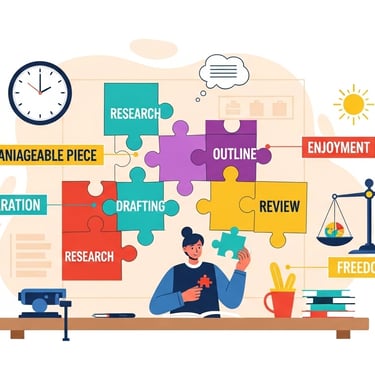
Breaks a big task into manageable pieces
Prevents last-minute panic
Balances preparation and freedom
Reduces decision fatigue
Maximizes enjoyment
Planning is not about rigidity. It’s about confidence.
Final Thoughts: Planning as Part of the Adventure
Understanding how to plan a trip transforms travel from stressful to empowering. The planning process builds anticipation and helps you travel with clarity and purpose.
When done right, planning doesn’t limit your experience — it enhances it. You arrive prepared, confident, and ready to embrace both structure and spontaneity.
And that’s how great journeys begin.
Primary Keyword: how to plan a trip
SEO Intent Covered: travel planning guide • trip planning steps • how to organize travel • beginner travel planning tips